Exploring the Allure of Open World Adventure Games: Why They Captivate Players Worldwide
The Essence of Open World Games
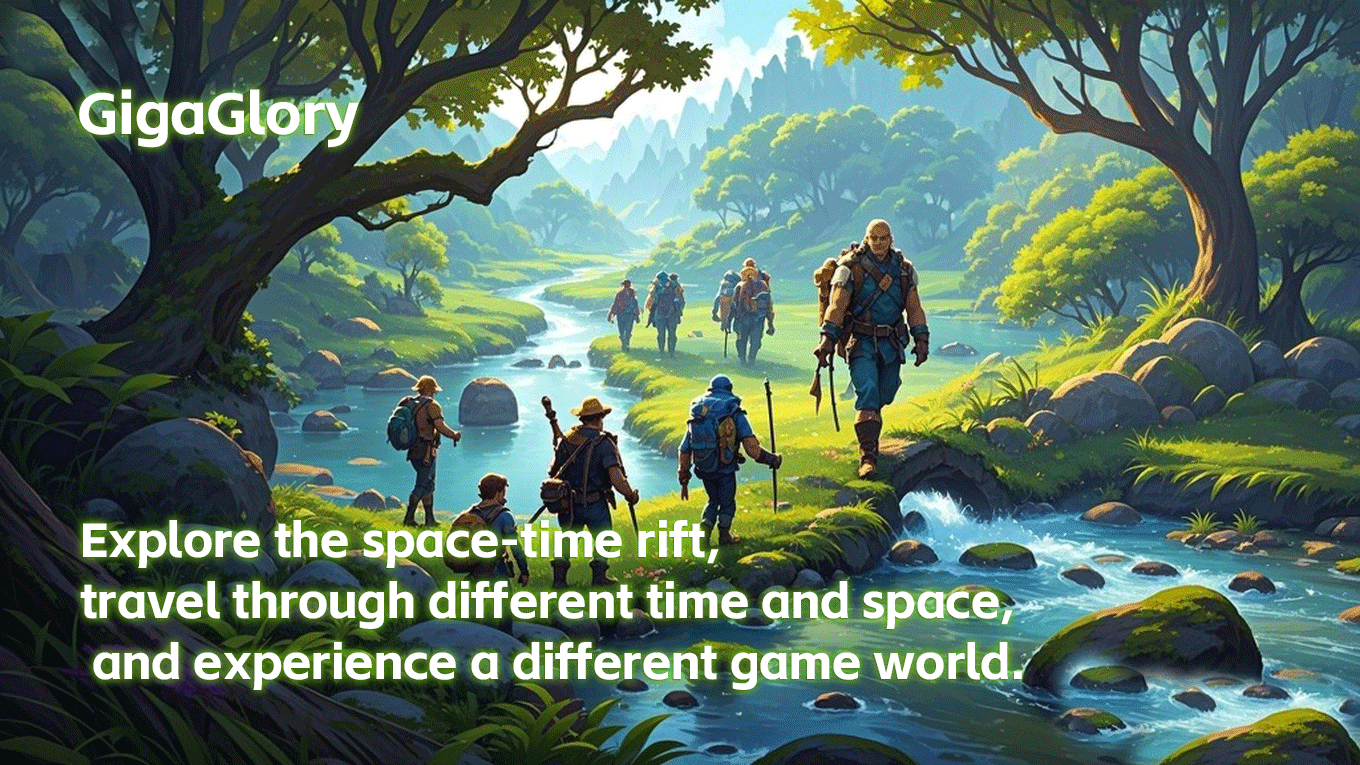
Open world games have revolutionized the gaming landscape. They offer a unique blend of freedom and storytelling that traditional games often lack. Players can explore vast landscapes at their own pace, choosing their paths, and shaping their narratives. This immersive experience is what makes open world adventure games so appealing.
What Defines Adventure Games?
Adventure games, as the name suggests, invite players on thrilling journeys filled with quests, challenges, and exploration. These genres often integrate puzzles and narratives, leading players through intricate storylines. When coupled with open world mechanics, they create a tapestry of experiences that can span hours of gameplay.
The Popularity of EA Sports FC 24: A Different Perspective
While open world adventure isn’t the focus, EA Sports FC 24 showcases the adaptability of gaming experiences. It blandly redefines sports simulations by infusing elements from adventure games, allowing players to 'manage' their teams in a more engaging fashion. Just as we see in adventure games, there's a story to tell here, one of skill and rivalry.
Tabletop RPGs: The Inspiration Behind Video Games
Long before the technology of video games evolved, tabletop RPGs laid the groundwork for immersive storytelling and character development. They allowed players to create and embark on adventures limited only by their imagination. This foundation is vital in understanding the evolution of RPG games in a digital context.
Main Characteristics of Open World Games
- Non-linear Freedom: Players can explore locations in any order.
- Immersive Environments: Richly detailed worlds bring the game to life.
- Dynamic Reactions: Games respond to player actions, changing experiences.
- Side Quests: Additional tasks enrich the main narrative.
Cultural Impact of Open World Games
The impact of open world games extends beyond entertainment. They shape cultural narratives and inspire creativity across different media. As players inhabit these digital worlds, they reflect on themes that resonate within society, mirroring real-life challenges and triumphs.
Why Players Are Drawn to Open World Games
What is it that hooks gamers on these vast digital landscapes? The reasons are manifold. The key attractions include:
- Freedom of Exploration: Players take control of their journeys.
- Engaging Storylines: Rich narratives keep players invested.
- Social Interaction: Many games offer multiplayer experiences, enhancing community.
The Role of Graphics in Player Engagement
Modern technology has elevated the graphical fidelity of open world games. Stunning visuals not only draw in players but also enhance the immersive experience. Characters are more lifelike, and environments feel vibrant and engaging, making them crucial in attracting a dedicated player base.
Comparative Analysis: Open World vs. Linear Games
| Feature | Open World Games | Linear Games |
|---|---|---|
| Player Freedom | High | Low |
| Replayability | Very High | Moderate |
| Narrative Complexity | Varies | Often Straightforward |
| Time Investment | Long | Variable |
Innovations Driving the Open World Experience
Developers continuously innovate in the open world space. From procedural generation of environments to advanced AI that influences how NPCs behave, each technological leap enhances the overall player experience. These innovations redefine engagement and narrative delivery.
The Rise of Multiplayer Open World Games
With the advent of connectivity, multiplayer aspects have embraced open world games. Players can now traverse these expansive landscapes with friends, team up for quests, or test skills against one another. This camaraderie enhances enjoyment and adds layers to gameplay.
Challenges in Creating Open World Games
Despite their allure, crafting an open world adventure game isn’t without challenges. Balancing content, maintaining pacing, and ensuring a seamless experience across vast map sizes require meticulous planning. Developers must strategically design quests and interactions to ensure engagement without overwhelming players.
The Future of Adventure Games in Open Worlds
As technology progresses, the future for adventure games within open worlds is bright. Innovations in VR and AR may revolutionize these genres further, creating even more immersive experiences that merge the digital with the real. The continued integration of storytelling, community, and interactivity will define upcoming trends.
Conclusion: The Everlasting Allure of Adventure
In conclusion, open world adventure games are not merely a trend; they represent a paradigm shift in gaming. Their capacity for freedom, narrative depth, and community connection captivates players worldwide. As we continue to explore these immersive worlds, the relationships they forge, and the stories they tell, remind us why we adventure in the first place: to discover, to engage, and to be a part of something larger than ourselves.